
Wrong Cry
While Jay-Z continues to be off beat with his response to criticism, the bigger question is: does he really want to know the truth?

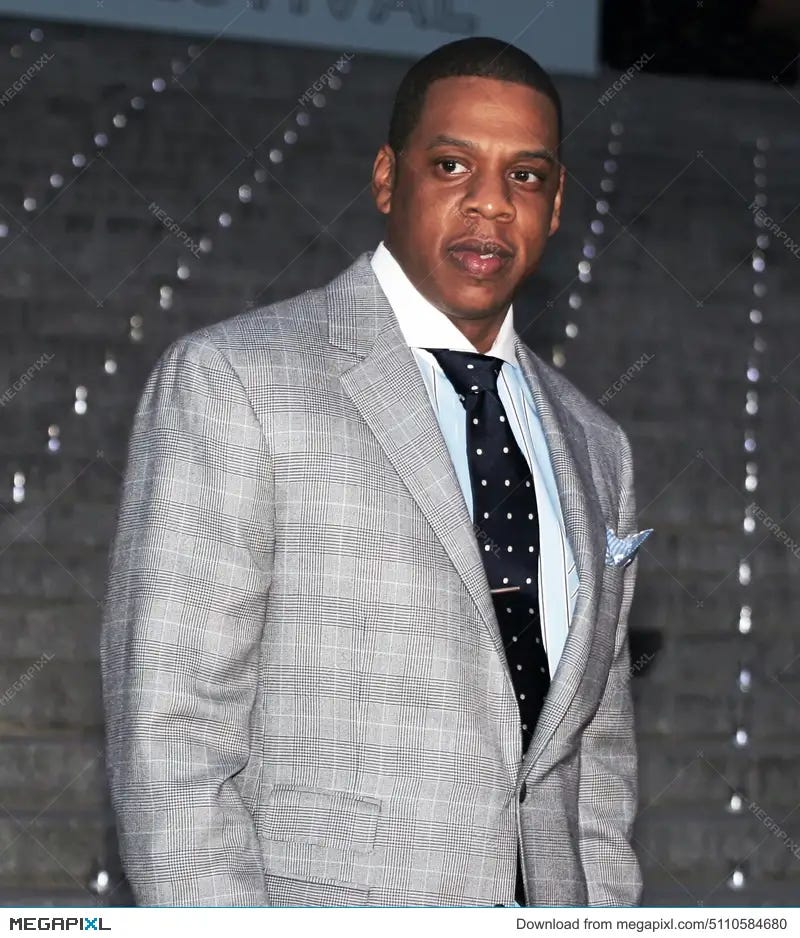
2026 should be a year of celebration for multihyphenate Shawn Carter, better known as Jay-Z. Thirty years after Reasonable Doubt, 25 years after The Blueprint, with appearances at the annual Roots Picnic, Yankee Stadium celebrations honoring those landmark albums and a forthcoming docuseries, this should be a victory lap.
Instead, the conversation has shifted. Part of that is poor public relations. The larger issue is the growing perception that Jay-Z has become disconnected from the values and community that once made him feel authentic.
Consider the pattern: his partnership with Target amid an ongoing consumer boycott tied to the company’s rollback of DEI initiatives; his freestyle incorrectly claiming Colin Kaepernick signed an NDA with the NFL rather than settling a collusion lawsuit; and his recent comments to GQ defending billionaire status while offering little acknowledgment of broader criticisms surrounding extreme wealth and systemic inequality. Individually, each moment might have been dismissed as another celebrity controversy. Together, they suggest something more troubling.
Jay-Z built his brand on the perception of authenticity. From the mafioso imagery of his early records to his evolution into a billionaire entrepreneur, his marriage, business ventures with the NBA and NFL all reinforced the idea that every new chapter felt earned rather than manufactured. Fans largely accepted each transformation because they believed he was honest about who he was - even when they disagreed with his decisions.
That’s why this moment feels different.
Authenticity has never meant perfection. It means consistency between what you say and what people believe you value. For decades, Jay-Z sold more than records; he sold evolution. Every chapter - from hustler to CEO, rapper to mogul - appeared connected to the last. The wealth changed. The surroundings changed. But the awareness seemed to remain intact.
Today, people aren’t questioning his success. They’re questioning whether success has altered his self-awareness.
Success has a funny way of changing the conversation around you. The people who once challenged your thinking become the ones protecting your image. Somewhere between platinum plaques and billion-dollar valuations, constructive criticism starts sounding like disrespect. The irony is that the very skill that elevated Jay-Z - his ability to read the room - now appears to be the one he’s struggling to exercise. Neither fans nor critics are asking him to be perfect. They’re asking him to be accountable. There’s a difference.
That’s the cost of becoming bigger than your profession. Once you’re viewed as more than an entertainer - as a businessman, investor and cultural institution - people judge impact, not intention. Jay-Z spent decades embracing that elevated status. He can’t suddenly retreat behind “whataboutism” whenever criticism becomes uncomfortable.
History suggests Jay-Z will survive another controversy. That’s not the real question. The more important question is whether he still possesses the curiosity that made him exceptional in the first place. The best leaders don’t surround themselves with applause; they surround themselves with truth. If every criticism is dismissed as envy, misinformation or bad faith, growth becomes impossible. The loudest applause can also become the greatest echo chamber.
Every powerful figure eventually confronts the same problem: success filters honesty. Employees become protectors. Friends become gatekeepers. Advisors become risk managers. Uncomfortable conversations disappear because everyone in the room has something to lose. The danger isn’t simply arrogance. It’s isolation.
Legacies rarely collapse because of one catastrophic decision. They erode when reflection gives way to hubris. Fans don’t expect Jay-Z to agree with every criticism directed his way. They do expect him to understand why those criticisms exist. One response protects your image. The other protects your legacy.
Maybe that’s the wrong cry.
Defending yourself is easy. Interrogating yourself is harder.
The Jay-Z who gave the world Reasonable Doubt built a career on asking difficult questions, challenging assumptions and adapting before the culture expected him to. The billionaire standing here today doesn’t need another victory lap. He needs that same curiosity.
Because the question isn’t whether Shawn Carter can outlast another controversy.
The question is whether he’s still willing to hear something he doesn’t want to hear.
Not because every criticism is right. Some won't be. But the willingness to examine uncomfortable truths - even when they come from imperfect messengers - is what separates confidence from complacency. The cultural movers who endure aren't the ones who never face scrutiny. They're the ones who never become too successful to scrutinize themselves.